How much does it cost to self-publish a book in 2026?
Part of our complete guide: How to self-publish a book in 2026: the step-by-step guide (ebook and print)
Short answer: self-publishing a book in 2026 costs between $0 and roughly $5,000. Most first-time authors who outsource professionally spend $2,000–$4,000. Authors who do their own editing and use platform tools can publish a finished, retail-quality ebook for nothing. The gap between those two numbers is not a gap in quality — it’s a gap in what you choose to pay other people to do.
That’s the honest headline. The rest of this guide is the arithmetic behind it.
The five real costs of self-publishing — and the two fake ones
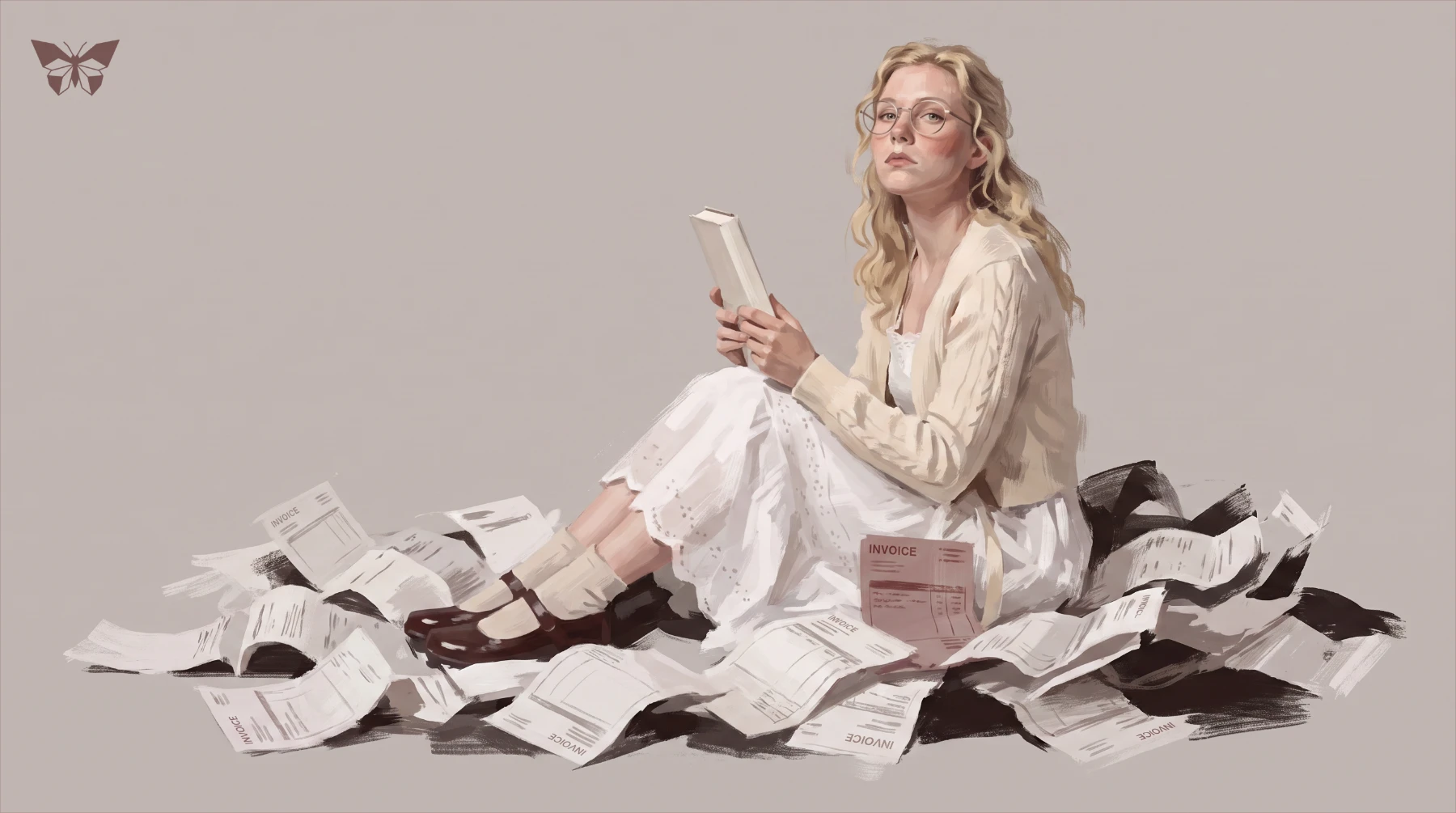
Strip away the marketing and there are exactly five things that can legitimately cost money when you publish a book:
|
Cost line |
DIY |
Mid-range |
Premium |
Can you skip it? |
|---|---|---|---|---|
|
Editing |
$0 |
$500–$1,500 |
$2,500–$5,000 |
No — but the depth is negotiable |
|
Cover design |
$0 |
$100–$350 |
$600–$2,000 |
No |
|
Formatting / conversion |
$0 |
$60–$250 |
$400–$800 |
Usually — good platforms do this |
|
ISBN |
$0 |
$0–$125 |
$295–$575 (10–100 block) |
Yes, for ebooks |
|
Launch marketing |
$0 |
$150–$600 |
$1,200+ |
Yes, at first |
|
Total |
$0 |
$810–$2,825 |
$4,995–$10,375 |
And two things that should cost you nothing, ever:
-
Platform fees. No setup fee, no listing fee, no hosting fee, no “distribution” fee. Every serious ebook platform in 2026 — including Ebokio — is free to publish on and takes a share of sales instead.
-
“Publishing packages.” More on these below, because they deserve their own warning.
1. Editing: the biggest real cost
Editing is where the money actually goes, and it’s the one line where cutting corners shows on page one.
There are three depths, and they cost very differently:
-
Developmental / structural editing — plot, pacing, argument, structure. The most expensive and the most transformative.
-
Line editing / copyediting — sentence-level rhythm, clarity, grammar, consistency, style.
-
Proofreading — the final pass for typos and formatting slips on already-edited text.
2026 rates
Per-word rates are the easiest thing to budget against. In 2026, proofreading typically runs $0.01–$0.04 per word, copyediting $0.02–$0.06, and line editing $0.04–$0.10.
Worked example — an 80,000-word novel:
|
Service |
Per-word range |
Cost for 80,000 words |
|---|---|---|
|
Proofreading |
$0.01–$0.04 |
$800–$3,200 |
|
Copyediting |
$0.02–$0.06 |
$1,600–$4,800 |
|
Line editing |
$0.04–$0.10 |
$3,200–$8,000 |
By the hourly route: the Chartered Institute of Editing and Proofreading sets a suggested minimum of about $43 an hour as of March 2026, and the Editorial Freelancers Association puts working proofreaders at $29–$75 an hour, averaging $44–$55. At a baseline pace of 3,000 words an hour, an 80,000-word manuscript is roughly 27 hours of proofreading — about $1,150 at the floor rate. Copyediting runs slower, perhaps 1,500–2,000 words an hour, putting the same book near $1,950.
Those are minimums, not averages. Experienced fiction editors commonly charge $65–$90 an hour.
How to cut this cost honestly
-
Self-edit properly first. Every hour you spend tightening your own prose is an hour your editor doesn’t bill for. A messy manuscript doesn’t just cost more — unless a text has already been professionally edited, work for a self-published author usually falls under substantial line editing rather than copyediting, which is the most expensive tier.
-
Buy one depth, not three. Most indie novels need a strong line edit and a proofread. Developmental editing matters most for a first book or a complex non-fiction argument.
-
Ask for a sample edit. Most editors will do 1,000 words free. It tells you more than any portfolio.
-
Use a beta reader round before you pay anyone. Structural problems found by readers are free; structural problems found by an editor are billable.
If you’re writing non-fiction, our guide to writing a non-fiction book covers how to structure a draft so it needs less editorial rescue later. For fiction, planning your book properly in the Ebokio Writing Studio — story bible, relationship map, act outline — heads off the structural problems that developmental edits are billed to fix.
2. Cover design: $0 to $2,000
Your cover is your entire advertising budget in one image. It’s also the cost line with the widest legitimate range.
Book cover design in 2026 runs from $0 with DIY tools to over $8,000 for custom illustration. The average professional custom cover costs $400–$1,200 for most self-published authors. Premade covers cost $50–$350. Fully illustrated covers for fantasy or children’s books start around $1,500.
|
Option |
Typical cost |
Best for |
|---|---|---|
|
AI cover tools (in-platform) |
$0 |
Testing concepts, short works, first launches |
|
Premade cover |
$100–$350 |
Genre fiction with strong visual conventions |
|
Freelance custom (stock-based) |
$300–$800 |
Most indie novels |
|
Custom illustration |
$1,500–$3,000+ |
Fantasy, middle-grade, children’s |
Two things worth knowing before you spend:
Premade is not the poor relation. A strong premade cover at $100–$200 beats a cheap custom design from an inexperienced designer — genre fit matters more than uniqueness. If your thriller cover looks like it belongs on the thriller shelf, readers click.
Watch the licensing. Using improperly licensed images — which many authors do accidentally with template tools — can get a retail account permanently banned. If you use a template tool, verify every element’s commercial licensing before uploading anywhere.
Ebokio includes an AI cover designer on every plan, including Free (10 generations a month, rising to 100 on Pro), which is enough to produce a clean, on-genre ebook cover without paying anyone. It won’t replace a specialist illustrator for a fantasy epic. It will absolutely replace a $40 gig-site gamble.
3. Formatting and conversion: where most authors overpay
This is the cost line that has quietly collapsed to zero, and plenty of services haven’t updated their price lists.
Ten years ago, converting a Word document into a clean, reflowable EPUB with a working table of contents was genuinely fiddly work worth paying for. In 2026 it is a solved problem. Ebokio accepts EPUB or DOCX, auto-detects chapters, headings, footnotes and contents, and rebuilds the file into a reader-ready edition — at no cost, on every plan. Most decent platforms do something similar.
If you’re unsure which file to upload, our guide on EPUB vs DOCX explains what each format does well and when it matters.
Budget: $0. Pay for formatting only if you’re producing print interiors with complex layout — cookbooks, illustrated non-fiction, poetry with fixed line breaks.
4. ISBNs: optional for ebooks, and not cheap
An ISBN is a product identifier, not a copyright or a legal requirement. For ebooks sold through a platform, you usually don’t need to buy one at all.
If you do want your own — because you want to be the publisher of record, or you’re producing print editions — here’s 2026 pricing from the two main English-language agencies:
|
Territory |
Agency |
1 ISBN |
10 ISBNs |
100 ISBNs |
|---|---|---|---|---|
|
USA |
Bowker |
$125 |
$250–$295 |
$575 |
|
UK |
Nielsen |
~$120 |
~$225 |
~$500 |
A single ISBN is almost never good value — the 10-pack costs only a little more than two singles, and every format of your book needs its own number. Paperback plus ebook is already two.
Ebokio lets you bring your own ISBN on any plan, including Free, or publish without one. Our full explainers: what is an ISBN and what types are there and do you need an ISBN to self-publish an ebook.
Budget: $0 for ebook-only. $295 if you’re building a catalogue across formats.
5. Marketing: the cost that never really ends
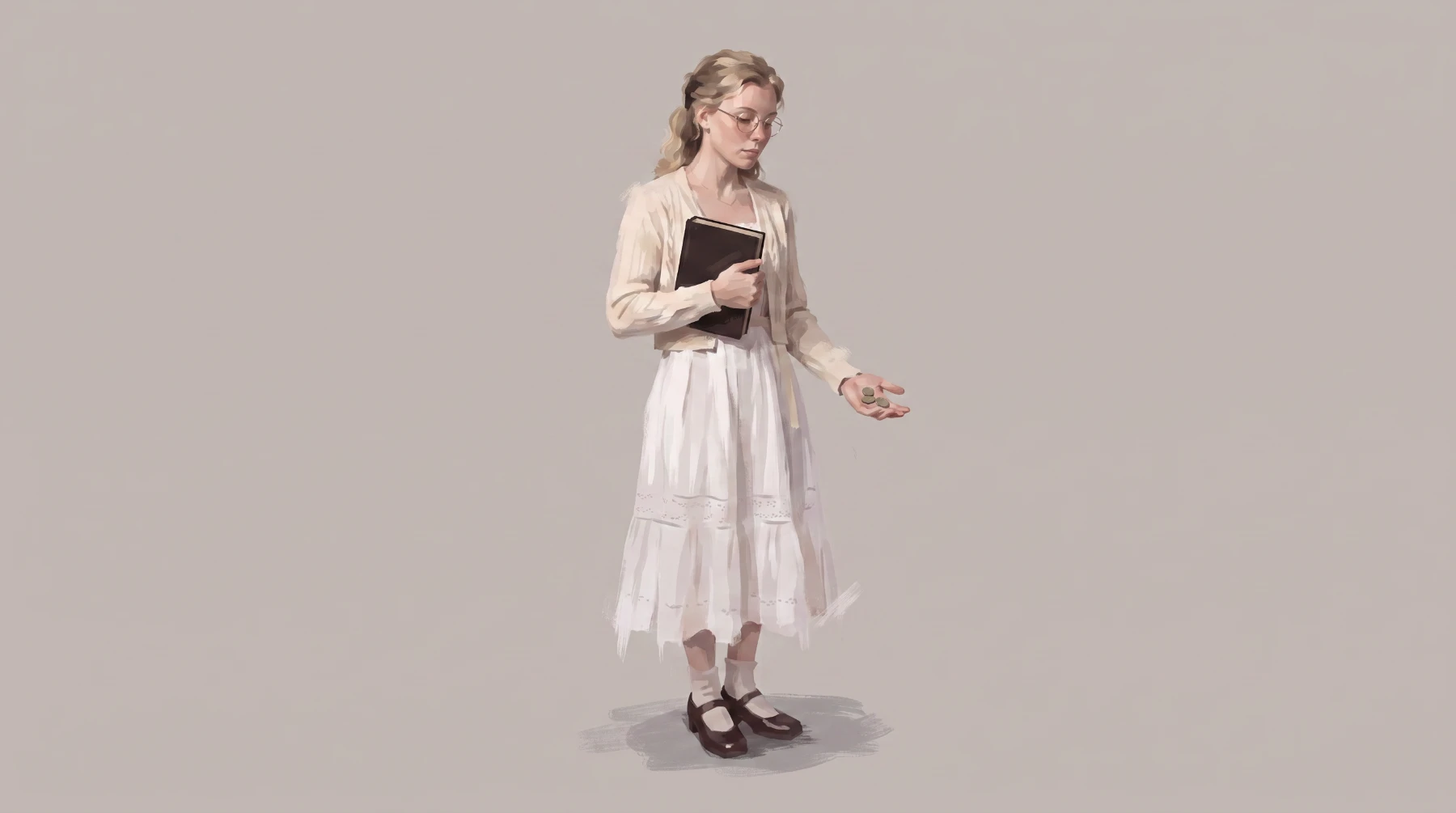
This is the line where budgets disappear fastest and returns are hardest to predict. The good news is that the highest-return launch activities in 2026 cost nothing but time:
-
Reviews. An ARC team costs nothing but organization. Our guide to getting book reviews in 2026 walks through the timeline.
-
Metadata. Categories, keywords and blurb are free, and they determine whether your book is ever surfaced. Ebokio’s AI metadata autofill reads your manuscript and drafts these — 10 a month on Free.
-
Discovery placement. On Ebokio, every title sits in the ebokio.com bookstore alongside featured shelves, deals and new releases, and is routed to readers by the AI Librarian when they describe what they want in plain language. That’s included, not an ad spend.
-
Price promotions. Running a discount or free period costs revenue, not cash.
Paid advertising is optional and should come after you have reviews and a converting product page, not before. Budget $0 for launch one; $150–$400 for launch two once you know your conversion rate.
The costs that shouldn’t exist: setup fees and vanity presses
Here’s where authors lose real money.
The Alliance of Independent Authors (ALLi) defines a vanity press as a publishing service that engages in misleading or outright deceptive practices, with the intention not of bringing books to readers but of extracting as much money as possible from authors. The numbers are not small: packages from one widely-flagged network currently start at $1,999 and reach approximately $15,699, with editing, cover design and marketing sold as additional upsells on top of the base package fee.
Self-publishing is almost always far cheaper and leaves you owning your book and your royalties. A vanity package can run into four or five figures and takes your rights; self-publishing the same book means paying only for the services you choose, with no mandatory book purchase and no rights grab.
Red flags, in order of seriousness
-
They approached you. Legitimate publishers don’t cold-email authors with an offer.
-
There’s a package price at all. Publishing has no bundled price. Services do.
-
The contract takes your rights. You should keep copyright and be able to withdraw a title at any time.
-
There’s a deadline on the offer. “This price expires Friday” is a sales tactic, not a publishing schedule.
-
They’ll publish anything. No selection process, no editorial standard, no reason to say no to a fee.
-
You’re expected to buy your own book. Author copy minimums are a transfer of your money to them.
Before you sign anything, check the company against two free, independent watchdogs: Writer Beware (run by SFWA) and the ALLi Watchdog Desk both publish free service ratings and warnings.
What does “free book publishing” actually mean?
“Free book publishing” is one of the most-searched phrases in this whole category, and it means four very different things. Only one of them is genuinely free.
1. Free, but exclusive. You pay nothing upfront; you agree not to sell your book anywhere else. The cost is every other channel you can no longer reach. This is a real cost, just not a cash one.
2. Free, but the royalty is the fee. You pay nothing upfront and keep 35–70% of a sale. The platform’s cut is the price. This is the normal, honest model — the question is only whether the cut is fair.
3. Free as a lead magnet. Publishing is free; the money comes from upsold editing, marketing and “distribution” packages priced far above market. This is the vanity model wearing a friendlier badge.
4. Genuinely free. No setup fee, no listing fee, no exclusivity, no mandatory purchases, and a royalty share stated plainly before you upload.
When you’re comparing free book publishing companies, the only question that matters is: what do they take, and what do they take it in exchange for? Ask for the royalty percentage, the exclusivity terms, and the payout minimum. If any of the three is hard to find on the website, that’s your answer.
Three realistic 2026 budgets
|
The $0 launch |
The $900 launch |
The $3,900 launch |
|
|---|---|---|---|
|
Editing |
Self-edit + beta readers |
Proofread only ($500) |
Line edit + proofread ($2,800) |
|
Cover |
AI cover tool ($0) |
Premade ($200) |
Custom freelance ($600) |
|
Formatting |
Platform conversion ($0) |
Platform conversion ($0) |
Platform conversion ($0) |
|
ISBN |
None |
None |
10-pack ($295) |
|
Marketing |
ARC team + metadata |
ARC team + $200 promo |
$250 ads + promo |
|
Total |
$0 |
$900 |
$3,945 |
|
Best for |
First title, short works, testing a genre |
Most indie novels |
Non-fiction with authority stakes, series launches |
The $0 launch is not a compromised launch. It is how a large share of successful indie titles start — and it lets you fund launch two from launch one’s royalties instead of your savings.
What it costs to publish on Ebokio
Nothing to publish. The plans buy speed and AI tooling, not access.
|
Free |
Premium |
Pro |
|
|---|---|---|---|
|
Price |
$0 |
$17.99/mo |
$24.99/mo |
|
Royalty on net receipts |
70% |
80% |
90% |
|
Books published |
Up to 30 |
Unlimited |
Unlimited |
|
AI covers / month |
10 |
70 |
100 |
|
AI metadata autofill |
10/mo |
80/mo |
100/mo |
|
Writing Studio |
— |
100 assists · 10 portraits |
300 assists · 25 portraits |
|
AI Author Co-pilot |
— |
— |
200 messages/mo |
|
Review turnaround |
4–6 business days |
Under 24 hours |
Under 24 hours, priority |
Annual billing gives two months free. Full detail on the pricing page.
How the royalty maths works. Your royalty is a share of net receipts — the sale price minus the reader’s VAT or sales tax (remitted by Ebokio) and the payment-processing fee. There are no hosting, listing or storage fees. We break this down properly in Ebook royalties explained.
Worked example — a $4.99 ebook. After an illustrative processing fee of roughly 2.9% + $0.30, net receipts are about $4.55:
|
Plan |
Your royalty per sale |
Sales/month to break even on the plan fee |
|---|---|---|
|
Free (70%) |
$3.18 |
— |
|
Premium (80%) |
$3.64 |
~40 |
|
Pro (90%) |
$4.09 |
~27 |
Note the counter-intuitive result: Pro pays for itself sooner than Premium does, because the royalty jump is larger relative to the price difference. If you’re selling more than about 27 copies a month at $4.99, Pro is the cheaper plan in absolute terms. Below that, Free is genuinely the right answer — and it stays the right answer for as long as you want.
Payouts: by bank transfer, routed the fastest way for your country and paid in your bank’s own currency. Each month’s earnings arrive at the end of the month two months later — January’s earnings land at the end of March. Minimum payout is £30, roughly $40; balances below that roll forward.
No exclusivity, ever. Publishing on Ebokio never stops you selling the same book on Amazon, Apple Books or your own site. If you’re weighing that decision, see KDP vs Ebokio Publishing and Ebokio vs Kobo Writing Life.
When does spending more actually pay off?
Use this test on every line item: does this spend increase sales by more than it costs, within 12 months?
-
Editing almost always passes. Reviews mentioning typos suppress conversion permanently, and a book is on sale forever.
-
A better cover almost always passes. It’s the single highest-leverage image in your funnel, and $200 of premade is often indistinguishable in results from $800 of custom.
-
Paid formatting almost never passes for a text-only ebook. The platform does it free.
-
ISBNs pass only if you’re doing print, library or bookstore distribution.
-
Paid ads rarely pass on book one, because you don’t yet know your conversion rate. They frequently pass on book three.
For the revenue side of this equation, see how authors earn money: advances, royalties and other income and how to earn money from self-publishing ebooks.
Publish it, then decide what’s worth paying for
The honest summary of self-publishing costs in 2026: the platform should be free, editing is the only cost that’s hard to avoid, and everything else is a judgement call you can make after your first title is live and earning.
The most expensive mistake in self-publishing isn’t overspending on an editor. It’s spending $3,000 on a package before you’ve learned anything about how your book sells.
Start publishing free on Ebokio → · No credit card, no exclusivity, 70% royalties from your first sale. Or read how it works first.
Sources: Chartered Institute of Editing and Proofreading (suggested minimum rates, March 2026) · Editorial Freelancers Association 2026 rate chart · Bowker and Nielsen ISBN agencies · Alliance of Independent Authors Watchdog Desk · Writer Beware (SFWA) · Ebokio Publishing pricing and FAQ.